
2026-10-21 20:01:19
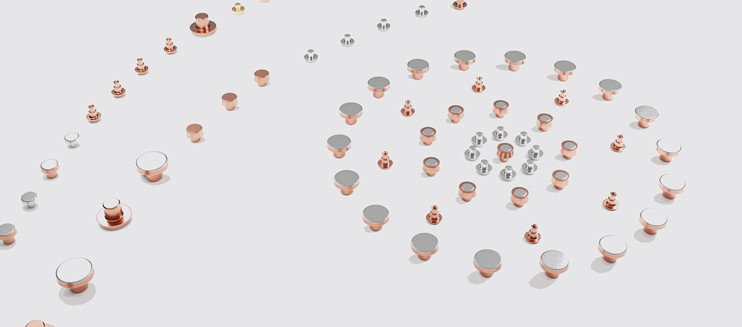
For many years, AgCdO10 has been a widely used contact material for contact rivets in relays, switches and other electromechanical components. It was used because in many switching applications it shows strong resistance to welding and, when properly designed, can achieve good results in terms of erosion behavior and switching life.
Today, however, in many projects the focus is no longer purely on switching performance. In development, procurement and quality assurance, the question increasingly becomes how AgCdO10 in contact rivets can be replaced by cadmium-free materials. The drivers are cadmium itself on the one hand, and on the other hand the growing uncertainty as to whether cadmium-containing materials should still be planned for new applications, target markets and product platforms.
Material selection is therefore considered more broadly than in the past. It is no longer just whether AgCdO10 is technically feasible, but whether a contact material can be supplied long-term in volume production, evaluated from a regulatory perspective, and used in international markets. This is why the targeted replacement of AgCdO10 in contact rivets is becoming increasingly important.
For many companies this topic is no longer a matter of individual projects but part of the overall material strategy. Companies developing new product platforms today tend to prefer materials that are both technically robust and as broadly applicable as possible. The evaluation of cadmium-free alternatives is therefore carried out not only from a compliance perspective, but also with regard to long-term standardization and reduced complexity.